
Check the Stay Details Before You Book
Casino-linked accommodation can mean a room in the complex or a separate hotel, so location, room features and booking terms matter.
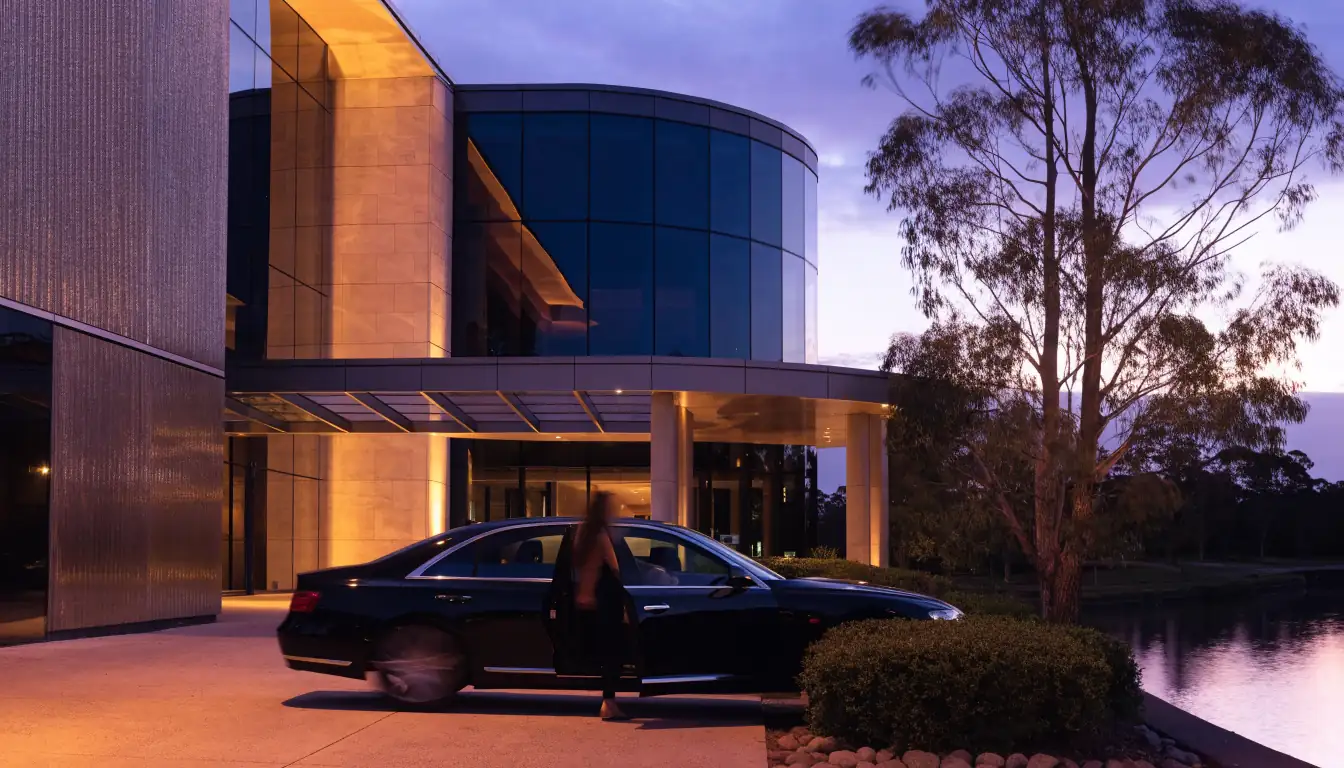
Casino Hotel Rooms and Stay Details
A stay marketed as a Tasmania casino hotel can mean a room inside a casino complex, a hotel operated by the same group, or simply a hotel promoted alongside a casino visit. Those arrangements are not interchangeable. Before comparing prices, confirm the exact property name and whether the room is in the casino building or at a separate address. The distinction affects how closely your stay is tied to the venue and what you need to plan around.
Room descriptions should answer practical questions, not just rely on polished photographs. Check the room category, bed configuration, occupancy rules and whether the images show the category you are booking. Look for a clear description of the room’s layout and any features that matter to you, such as a separate sitting area or a view. If a detail is important but the listing does not state it, ask the hotel to confirm it in writing before paying.
When comparing Tasmania casino hotel rooms, read the full booking conditions alongside the headline price. Confirm which dates the price covers, whether taxes and other charges are included, and when payment is due. Check the cancellation and amendment rules, including whether a change can incur a fee and whether a cancelled booking is refundable. A low displayed rate is not a useful comparison if it comes with conditions that do not suit your plans.
Choosing an online casino for Tasmania in 2026 means checking practical details as well as the information available about each operator. Use these brief profiles to see which stated features are relevant to you.
-
Ricky Casino
- Payout speed
- crypto under 1 hour, PayID 1-3 business days
- Min. deposit
- A$20 (A$30 to qualify for the bonus)
Ricky Casino lists crypto payouts in under an hour and PayID payouts in 1–3 business days. The minimum deposit is A$20, or A$30 to qualify for the bonus.
-
Wild Tokyo
- License
- Curacao
- Payout speed
- crypto 30-60 minutes, fiat 1-5 days
- Min. deposit
- A$10
Wild Tokyo is listed with a Curaçao licence. Its stated payout times are 30–60 minutes for crypto and 1–5 days for fiat, with a A$10 minimum deposit.
-
Neospin
- License
- Curacao Gaming Control Board OGL/2023/176/0095 (Hollycorn N.V.)
Neospin is listed under Curaçao Gaming Control Board licence OGL/2023/176/0095, held by Hollycorn N.V.
-
Bizzo Casino
- License
- Curacao Gaming Control Board (TechSolutions Group N.V.)
Bizzo Casino is listed under a Curaçao Gaming Control Board licence, with TechSolutions Group N.V. identified as the operator.
-
Golden Pokies
- License
- Curacao
Golden Pokies is listed with a Curaçao licence.
-
Thor Casino
- License
- Curacao – Antillephone N.V. (Versus Odds B.V.)
- Min. deposit
- EUR 20
Thor Casino is listed with a Curaçao licence through Antillephone N.V. for Versus Odds B.V. Its stated minimum deposit is EUR 20.
-
SpinsUp
- License
- Curacao Gaming Control Board OGL/2023/174/0082 (Dama N.V.)
SpinsUp is listed under Curaçao Gaming Control Board licence OGL/2023/174/0082, held by Dama N.V.
-
Lucky Dreams
- License
- Curacao
- Min. deposit
- A$20 (POLi)
Lucky Dreams lists a Curaçao licence and a A$20 minimum deposit for POLi.
-
House of Pokies
- License
- international iGaming licence – jurisdiction not named in the source
- Payout speed
- PayID 1-24 hours
- Min. deposit
- A$30 (PayID from A$10)
House of Pokies lists an international iGaming licence, though the source does not name the jurisdiction. Its stated PayID payout time is 1–24 hours, and the minimum deposit is A$30, or A$10 for PayID.
-
MrPacho
- Payout speed
- crypto 30-120 minutes, fiat 24-72 hours
- Min. deposit
- A$30
MrPacho lists crypto payouts in 30–120 minutes and fiat payouts in 24–72 hours. Its stated minimum deposit is A$30.
The phrase “casino hotel deal” can describe different offers. Check what is actually included rather than assuming a package covers more than the room. Establish whether the quoted price applies to the room alone or includes any stated extras, and whether there are restrictions on dates or booking changes. If an offer mentions a casino benefit, read its terms separately; do not treat promotional wording as proof that it will be available during your stay.
Also compare the room’s location within the property if that information is provided. A room category or floor description may help you understand what you are booking, but it should not be read as a promise of a particular view, level of quiet or proximity to a specific part of the venue unless those details are expressly confirmed. If you have accessibility requirements or need a particular bed arrangement, confirm that the requested room can be supplied rather than relying on a general description.
For a hotel in Tasmania associated with a casino, timing matters as well as the room rate. Confirm the hotel’s check-in and check-out arrangements directly before you travel, especially if your arrival or departure falls outside the times stated in the booking. Separately check the casino’s current opening hours if visiting it is part of your plans. Hotel access and casino operating hours are different details; one should not be inferred from the other.
Use the same approach when comparing several casino hotels in Tasmania: compare like with like. Match the dates, room category, occupancy and cancellation conditions before deciding that one offer is cheaper. Save the booking confirmation and any written reply about a requested room feature. If the property or offer is unclear, pause before paying and ask the hotel to identify exactly what the rate covers.
A careful booking check cannot guarantee that every preference will be met, but it can prevent a common mismatch: paying for an assumed package or room feature that was never part of the reservation. Focus on the property, the specific room and the written terms. That gives you a more reliable basis for choosing a casino hotel stay than a broad label or a striking photograph.
Poker, Gym and Other On-Site Facilities
If you are considering a visit for poker, a gym session or another activity, confirm what the venue currently offers before making plans. A name or a search result is not enough to establish that a particular facility is operating, or that it will be available on the day you intend to go.
For poker, check whether there is a dedicated room, what games are offered and whether play is scheduled or limited to particular sessions. A poker room and a tournament programme are separate things: a venue may host one without regularly running the other. Before travelling, confirm whether tournaments are listed for your dates, how registration works, what identification is required and whether places are limited. Do not assume that a poker listing refers to cash games, scheduled tournaments or both.
Gym access needs its own check. Confirm that a gym is on site, whether it is open to visitors as well as hotel guests, and whether access requires a booking or separate charge. Ask about opening hours and any restrictions that affect when you can use the facilities. These details matter if you are planning an activity around a casino visit; a general hotel or venue description may not answer them.
The same care applies to other amenities, including a sports bar or shared activity space. Establish that the specific facility exists, whether it is open on your visit date and what services it provides. A sports bar could refer to a place to watch sport, a bar with screens or simply a listing category; the label alone does not tell you what to expect. Confirm current arrangements rather than relying on an old listing or an undated photograph.
The phrase “casino rooms” can also mean different things. It may refer to hotel rooms, a room for poker or another private or function space. If you are looking for a particular activity area, use its specific name when checking venue information and confirm its purpose directly. Hotel accommodation and activity facilities are not interchangeable, even when listings place them under the same venue.
Opening status is another detail to verify close to your visit. A venue may be open while a particular facility is closed, operating on limited hours or unavailable for a private booking. Check the status of the area you plan to use, not just whether the wider property is open that day. If the information is unclear, contact the venue using its current official details before setting out.
Finally, treat poker and other gambling as paid entertainment, not a way to make money. Set a session budget that fits your finances, do not chase losses, and never increase bets in an attempt to recover them. If poker machines are part of your visit, venues must check identification for people gambling on them; do not attempt to bypass those checks. A planned visit is easier to manage when you know both what facilities are available and what limits you are prepared to keep.
Parking and the Limits of Online Casino Searches
Parking is a practical question about visiting a physical venue; it is not evidence that a particular parking service is available. Before setting out, confirm the casino’s current parking arrangements through its official visitor information. Check whether parking is on site or nearby, whether charges apply, whether spaces can be reserved, and whether any valet service is operating. If you are relying on free parking, confirm that the offer applies to your visit rather than assuming it from a listing or an old review.
It is also worth checking the conditions attached to any parking option: opening and closing access, payment methods, entry arrangements and accessibility. These details can change, and a search result may not reflect the current position. If the information is unclear, contact the venue before travelling. A name that includes “casino” does not, by itself, establish where visitors can park or what it costs.
Legal Restriction
In Australia, the Interactive Gambling Act 2001 prohibits operators based in Australia from providing real-money online casino services to people in the country.
Dining and bingo searches raise a different set of questions. They concern services or activities at a venue, not online gambling, and should be checked against current venue information. The word “casino” can describe an in-person destination, but it should not be treated as a general label for every service someone may be looking for.
An in-person casino is not an online casino
A visit to a physical casino and access to online casino games are separate matters. In Australia, the Interactive Gambling Act 2001 prohibits operators based in Australia from providing real-money online casino services to people in the country. That restriction covers casino-style games such as pokies, blackjack and roulette. An Australian-run online casino therefore cannot lawfully offer those services to players located in Australia.
This distinction matters when a result appears to combine a Tasmanian venue with online play. Information about parking, a building or a visit does not establish that an online casino service is available. Nor does a site’s use of Australian place names make it an Australian-run service or show that it may lawfully offer online casino games here.
If you are looking for parking, assess the physical venue’s current arrangements. If you are looking for online pokies or table games, that is a different issue governed by the law applying to services offered to people in Australia. Do not infer that a physical venue’s existence makes online casino play lawful, or that a page describing online games gives reliable information about visiting the venue.

For a trip, verify parking directly before you leave and keep the venue’s current instructions to hand. For online casino games, the legal restriction is not a parking or location detail: operators based in Australia cannot provide those real-money services to people in Australia. A clear distinction saves time and avoids treating two unrelated questions as if one answer covered both.
Accommodation Near the Casino
If you are looking for accommodation near a casino in Tasmania, first confirm which venue you plan to visit and where it is. “Nearby” is only useful if it means nearby to the correct location, and a property’s description may refer to a broader area rather than a short walk. Check the venue’s current address against the accommodation’s own listing before booking.
For places to stay outside the casino, compare the practical details rather than relying on labels such as “close to the action”. Look for the property’s exact address, how it describes the distance to the venue, and whether that distance is measured on foot or by road. If the listing does not make this clear, ask the accommodation provider before paying. A map can help you assess the area, but confirm the route and access arrangements directly if they matter to your plans.
Accommodation deals may appear to link a stay with a casino visit, but do not assume that a promotion includes a room, admission, parking or any other service. Read the offer’s terms and check which business is responsible for each part. Confirm the dates it applies to, what is included in the quoted price, and whether any conditions could change the cost. A promotion mentioned in an old listing may no longer be available; current terms should come from the provider offering it.
Do
- Check the property's exact address
- Verify the total price for your dates
- Confirm cancellation and check-in rules
Don't
- Rely on labels like "close to the action"
- Assume promotions include all services
- Trust third-party summaries over providers
When comparing properties, check the total price for your chosen dates, the cancellation conditions, check-in arrangements and any extra charges. Make sure the room type and facilities suit your needs, and verify details with the accommodation provider rather than relying on a third-party summary. If you are travelling with others, confirm that the booking covers the right number of guests and that any accessibility requirements can be met.
Location can affect the shape of your visit. If you expect to travel between your accommodation and the casino, establish what transport options are available from the property and whether they fit your schedule. Do not infer transport availability from a short distance on a map. If you plan to drive, check parking arrangements separately with the accommodation provider and the venue; do not assume that one booking includes parking at the other.
Search results may combine the casino hotel with independent accommodation nearby. Keep those options distinct: a room at the venue is not the same product as a stay at a separate property, even if both are marketed around a casino visit. For an outside stay, the accommodation provider—not the casino—sets the room terms and handles questions about the booking. Confirm the provider’s contact details and cancellation policy before making a commitment.
A useful comparison is therefore built around verified location, total price, booking conditions and the journey to the venue. If a listing leaves any of those points unclear, resolve them before booking rather than treating “near the casino” as a guarantee.

Contact Details and Practical Visit Information
Before travelling to a casino in Tasmania, confirm the practical details directly with the venue. Contact information, access arrangements and services can change, while older directory listings and map entries may remain online. Use the venue’s own website or verified social media account to find its current contact page, then check that any telephone number or email address matches there before relying on it.
If you need to speak to someone, be specific about what you need to know. Ask whether the venue can confirm the relevant detail, rather than assuming that a general enquiry line handles every request. For example, you might need to check how to reach the entrance, whether a car park is available to visitors, or how to get directions from the road. If a map listing and the venue’s own directions differ, contact the venue before setting out.
The same approach applies to questions about baccarat or craps. A game’s presence in an old description or third-party listing does not establish that it is currently offered, available to every visitor, or running at the time you plan to go. Ask the venue to confirm the current arrangements and any conditions that matter to your visit. For poker-machine gambling, venues must check identification; check the applicable age and entry requirements before travelling, since breaching gambling rules can have legal consequences.
If you are looking for a bar, confirm directly whether one is operating and check its current service details. Do not infer opening hours or access from a map pin, a photograph, or an old review. For a concert-related visit, check the organiser or venue’s current information for the event’s practical arrangements, including where visitors should enter. Event information can change, so confirm it close to your visit rather than relying on a saved listing.
A useful enquiry can be brief: state the date you plan to visit, describe the detail you need confirmed, and ask where to find the latest information if the person answering cannot verify it. Keep any written reply or booking confirmation with you. If you call, note the time and the instructions given, particularly if they affect parking, access or arrival.
When looking for a map, compare the venue’s own directions with a current mapping service and check the destination pin before leaving. A pin may mark a broad venue area rather than the entrance you need. If your route depends on a particular entrance or drop-off point, ask the venue to identify it rather than guessing from the map.
Search results can make a contact number look official when it is copied from an unrelated listing. Use a number only when it appears on a channel you can verify as belonging to the venue. If details conflict or a question remains unanswered, postpone any decision that depends on that information. A short confirmation before departure is more useful than discovering at the door that an old listing was wrong.
Breakfast, Buffet Searches and Casino Jobs
Breakfast and buffet searches are practical questions about what is being served, when it is available and whether you need to make arrangements before arriving. A search for breakfast at a Tasmanian casino does not establish that breakfast is served there, or that a buffet is part of the offer. Treat both as details to confirm with the venue rather than services you can assume will be available.
If breakfast matters to your plans, check current information from the venue before setting out. Confirm whether service is operating on the day you intend to visit, its serving hours, where it is provided and whether advance booking is required. If you are comparing a buffet with another breakfast option, establish what the advertised price covers and whether any conditions apply. A label such as “resort” can describe a broad venue or package, but it does not, by itself, confirm that meals are included.
The same care applies to buffet information. Menus, service arrangements and availability can change, so an old listing or an undated review may not describe what is offered now. Look for information published by the venue and check that it relates to the relevant date. If a dietary requirement affects your choice, ask directly whether the current menu can accommodate it; do not rely on a general buffet description to answer a specific question.
A casino rewards programme is a separate matter from food service. The phrase may refer to a membership or loyalty offer, but it does not tell you whether meals are included, whether a benefit applies to breakfast or what conditions govern its use. Before relying on a reward, check the current programme terms, eligibility rules, participating outlets and any exclusions. Confirm the detail with the venue if it is important to your visit. Do not treat an old promotion or an informal account of someone else’s experience as a promise that the same benefit remains available.
Employment searches call for a different kind of checking. If you are looking for work at a casino in Tasmania, use the venue’s own careers or recruitment information to establish whether vacancies are currently listed and how applications are accepted. A general search result may be out of date, and a phrase such as “casino jobs” does not confirm that any role is open. Check the employer named in a listing, the position description, location and application instructions before providing personal information.
Keep food enquiries and job enquiries separate: a dining page is not evidence of vacancies, and a careers listing says nothing about breakfast or buffet service. For either, use current, venue-published information and confirm details that could affect your plans or application. This is less convenient than relying on a confident headline, but considerably more useful.
Opening Information, Development and Events
If you are trying to establish whether a Tasmanian casino is open, separate its usual operating status from any temporary change. A venue may have regular public hours while a particular area, service or event has different access arrangements. Check the venue’s own current notices before travelling, and confirm that the information applies to the date and time you have in mind. A search result or an old review can remain visible after circumstances have changed.
The same care applies to reopening claims. A reference to a planned return, refurbishment or future opening is not confirmation that the venue is operating now. Look for a dated announcement from the venue, and read what it actually says: whether it describes a proposal, work in progress or a completed change. If the notice does not make clear what is open to visitors, seek confirmation before making plans.

Development news can also be easy to misread. A proposed project, approval, construction update and completed development are different stages, and headlines may not explain which one applies. When assessing a report, check its publication date, the organisation responsible for the announcement and whether a later update has appeared. Treat claims about future changes as plans until there is clear confirmation that they have taken effect.
For entertainment and events, check the listing for the specific date rather than relying on a general description of the venue. Confirm the event’s location, start time, entry conditions and whether advance arrangements are required. An event advertised by a third party may have been changed or cancelled, so compare it with the venue’s own latest information. If a detail could affect your visit, such as age restrictions or access arrangements, verify it directly rather than assuming that every event follows the same rules.
Employment news is a separate matter from visitor information. If you are looking for work, use current recruitment notices and check that a vacancy is still open, who is hiring and how applications are to be made. A development announcement may mention future jobs without listing active vacancies; it should not be treated as a recruitment notice.
Reviews are most useful when read as dated accounts, not as a guarantee of present conditions. Check when a review was written and whether it concerns the same venue, event or service you are considering. Operational details can change, while an old description may continue to sound current. For any decision that depends on what is happening now, give greater weight to recent information issued by the venue itself.
Restaurants at the Casino
If you are planning a meal at a casino in Tasmania, confirm the current restaurant options before building the visit around a particular venue. A general reference to casino dining does not establish which restaurants are operating, what they serve or whether they are open on the day you plan to go. Venue information can change, so rely on current details rather than an old directory entry or a page that does not show when it was updated.
Start by checking the casino’s own published dining information. Look for a named restaurant, its present operating status and the details that matter to your plans: service times, menu, booking arrangements and any conditions on entry. If the information is incomplete or appears dated, ask the venue to confirm it. That is especially important if you are travelling specifically to eat there; a restaurant listing alone is not a guarantee that it will be open when you arrive.
Treat a restaurant as distinct from other food services. A venue may use separate pages or labels for restaurants, bars, cafés and casual dining, and those categories do not necessarily mean the same thing. If you want a sit-down meal, verify that the listing describes a restaurant and not simply food available somewhere on the premises. Likewise, do not assume a restaurant offers a particular cuisine, menu format or level of service unless the venue currently says so.
Check the menu itself, not just a short description. It can help you assess whether the choices suit your preferences, dietary needs and budget. If you need a particular dietary option, confirm that it is available and ask how the venue handles relevant requirements; a broad menu description may not answer that. Prices and menu items can change, so avoid relying on screenshots, reposted menus or third-party summaries when making a firm plan.
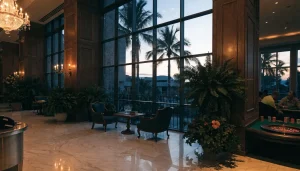
If booking is important, establish whether reservations are accepted and whether your preferred time is available. A published restaurant page may describe the venue without confirming a table. Check any stated booking conditions, including cancellation or arrival expectations, before making arrangements. If you are visiting with other people, confirm that the restaurant can accommodate the party rather than assuming that a listing means walk-in seating will be available.
The phrase “restaurants at the casino” can also refer to different venues, so make sure the information you are reading belongs to the casino you intend to visit. Compare the venue name and location shown on the official page with your travel plans. For restaurants near a casino rather than inside it, check the business’s own listing separately; proximity does not establish that it is part of the casino.
A useful standard is simple: before setting out, confirm the restaurant’s identity, current operation, menu and booking details through information maintained by the venue. If those points cannot be established, keep your plans flexible rather than treating an unconfirmed listing as a promise.
Spa, Address and Dress-Code Searches
Before travelling to a casino in Tasmania, confirm the venue’s current address against its own official information. A broad map result or an older directory entry may not make clear which entrance serves visitors, whether the listing is current, or whether directions refer to the casino itself. Check the full street address and use a current map for the route; if the destination or entrance is unclear, ask the venue to confirm it before setting out.
Dress Code Guidance
Requirements can differ between different areas of a venue and may change over time. Check the venue’s current visitor guidance before leaving, especially for specific bars or gaming areas.
Treat spa searches in the same way. A search for a casino day spa does not establish that the venue has one, that it is open to non-hotel guests, or that treatments can be booked. Look for current information published by the venue and check what any listed facility actually offers. If no current details are available, contact the venue rather than relying on an old directory listing or an assumption based on the word “casino” in a result.
The same caution applies to dress code. Requirements can differ between areas of a venue and may change, so do not treat advice on a third-party page as a guarantee of entry. Check the venue’s current visitor guidance before leaving, particularly if you plan to visit a particular bar or gaming area. If the guidance does not explain what is acceptable, ask directly. A clear answer is more useful than discovering a rule at the door.
Searches for bars, games and careers concern different details and should be checked separately. A reference to a bar does not confirm its current hours or entry arrangements; a games listing does not establish that every game or area is available during your visit. For employment, use the venue’s own careers information to see whether vacancies are being advertised and how applications are handled. Do not rely on an old job listing as evidence that a role is still open.
When checking any of these details, note whether the information is current and applies to the specific place you intend to visit. Venue pages, map listings and external directories can disagree; an address or amenity repeated across several sites is not necessarily up to date if they all draw on the same old listing. If an essential detail remains uncertain, confirm it with the venue before making plans. That is especially sensible for a spa visit, where availability and access arrangements matter as much as the facility’s existence.
Food and Pool Queries
Food and pool searches can point to different expectations: a place to eat during a visit, a dedicated food court, or somewhere to swim. Treat each as a separate facility to confirm rather than assuming that one answer covers them all. A casino’s presence does not, by itself, establish that it has a food court or a pool.
If you are checking food options, look for current venue information that identifies what is open and where it is located. A general reference to food does not necessarily mean there is a shared dining area, a choice of outlets or food available throughout the day. Confirm the details that matter to your plans before travelling, particularly if you need food on site rather than nearby.
Pool access needs its own confirmation. Check whether a pool is part of the venue, whether it is available to visitors, and whether access has conditions. Do not treat photographs, older descriptions or a pool mentioned in connection with another property as proof that the casino itself provides one. If swimming is important to your stay, establish the location and access arrangements before making plans.
It also helps to distinguish facilities that belong to the casino from those offered by a nearby hotel or another part of a larger complex. Similar names and shared precincts can make descriptions unclear. Look for wording that states exactly which venue provides the service, and check that the information is current.
For the best casino in Tasmania in 2026, food and recreation should be assessed as practical extras, not assumed features. Confirm the specific option you intend to use rather than relying on a broad label such as “dining” or “leisure”. If the venue’s current information does not clearly confirm a food court or pool, contact the venue before setting your itinerary around either one.
What is pokies region blocking?
Region blocking uses your IP address to estimate your location and restrict access to certain games or providers. Blocked games may not appear in the lobby or may fail to load.
How do NSW pokies regulators monitor player protection?
NSW requires pre-commitment systems that let you set a loss limit before playing poker machines.
How do online pokies operate?
An online pokie uses a Random Number Generator (RNG) to determine each spin. Spins are independent, so previous results do not affect what happens next.
What features should I look for when choosing an online pokie?
Check the RTP, which describes the theoretical share of wagers returned over a very large number of spins, and whether the game has a progressive jackpot or a bonus-buy option. Read bonus terms too: free-spin winnings may have wagering requirements before you can withdraw them.